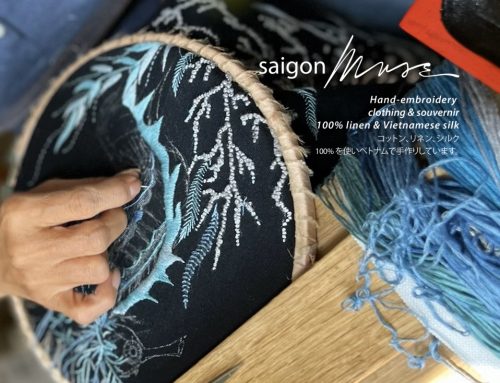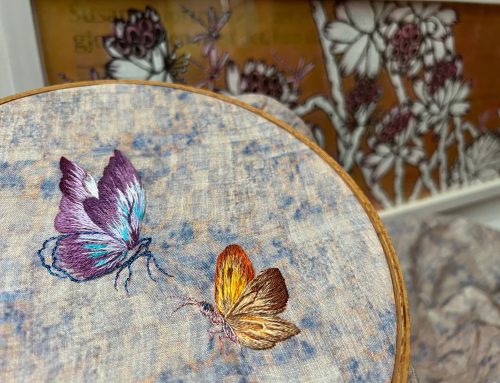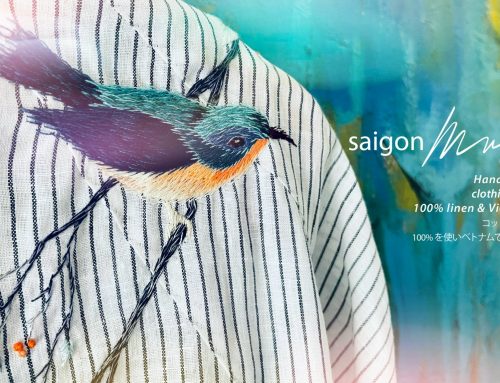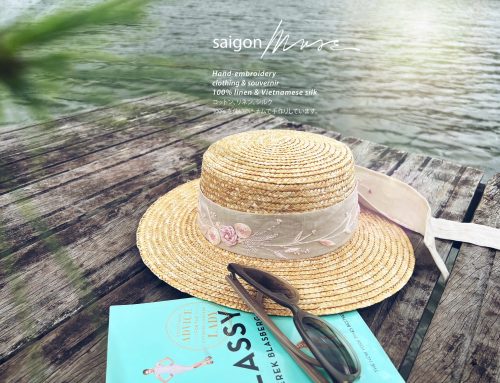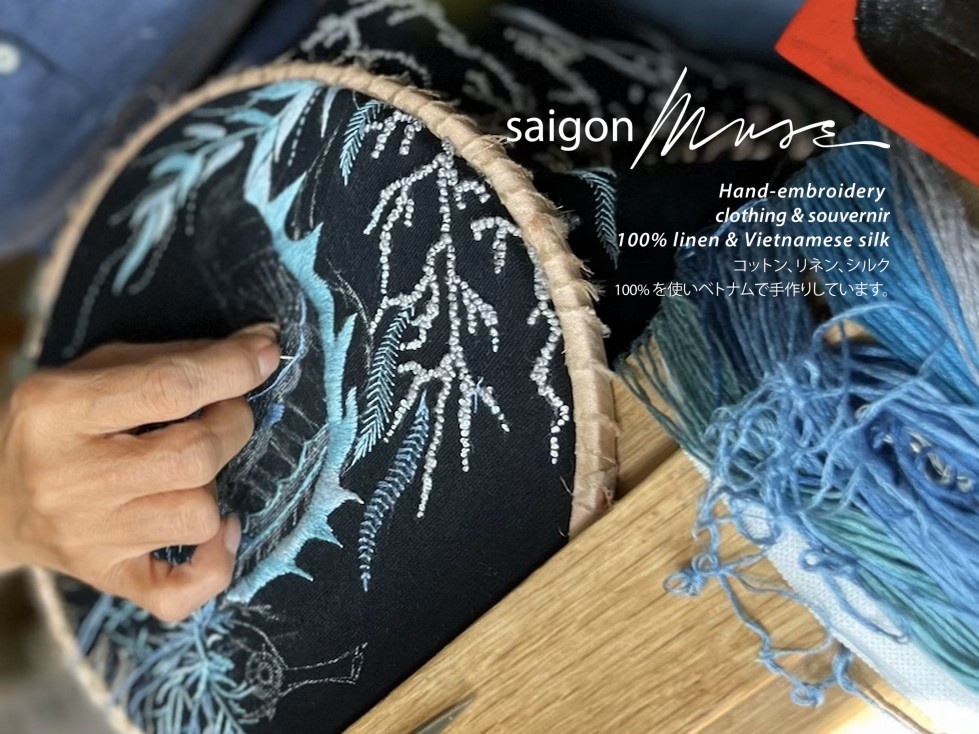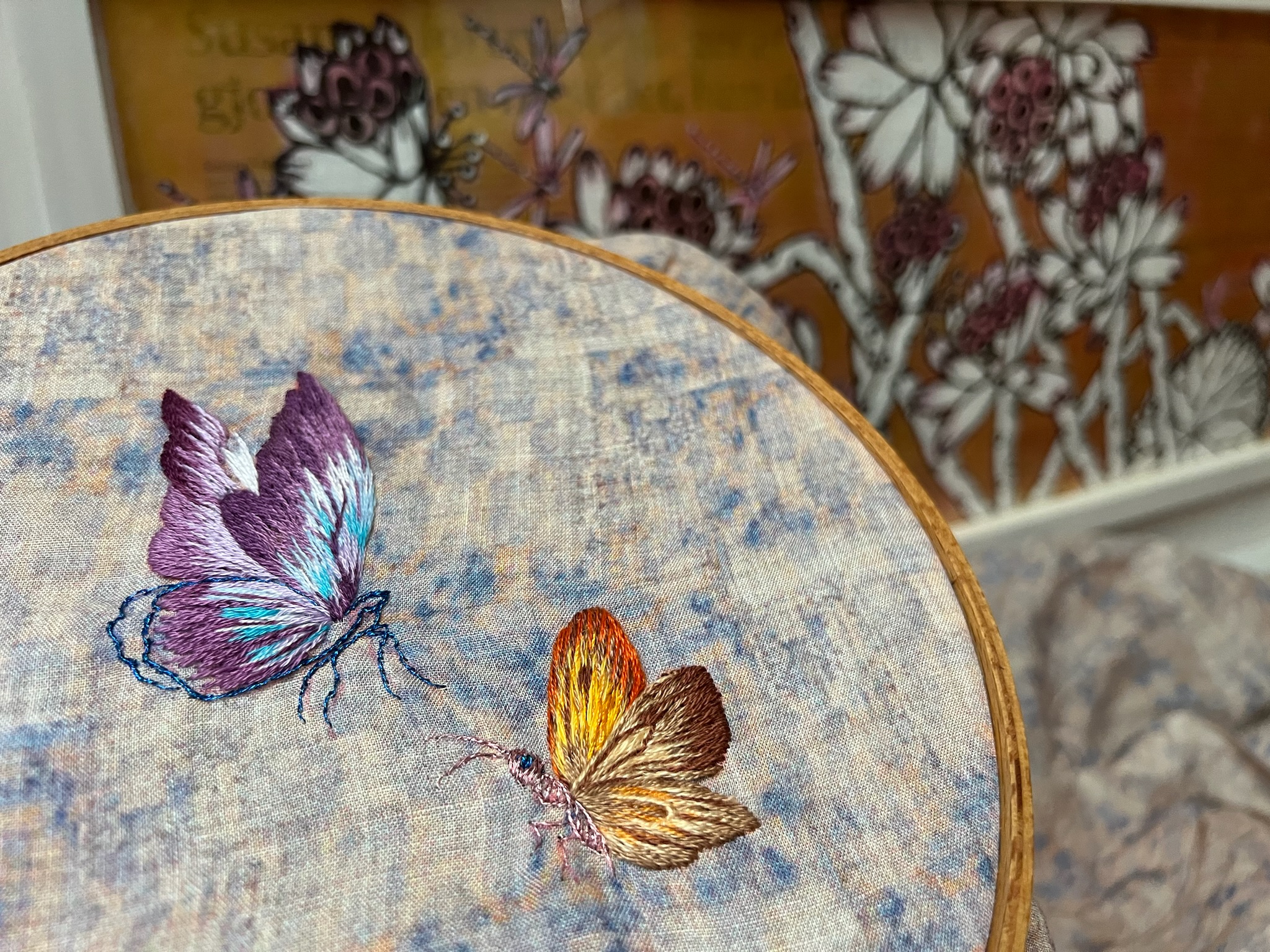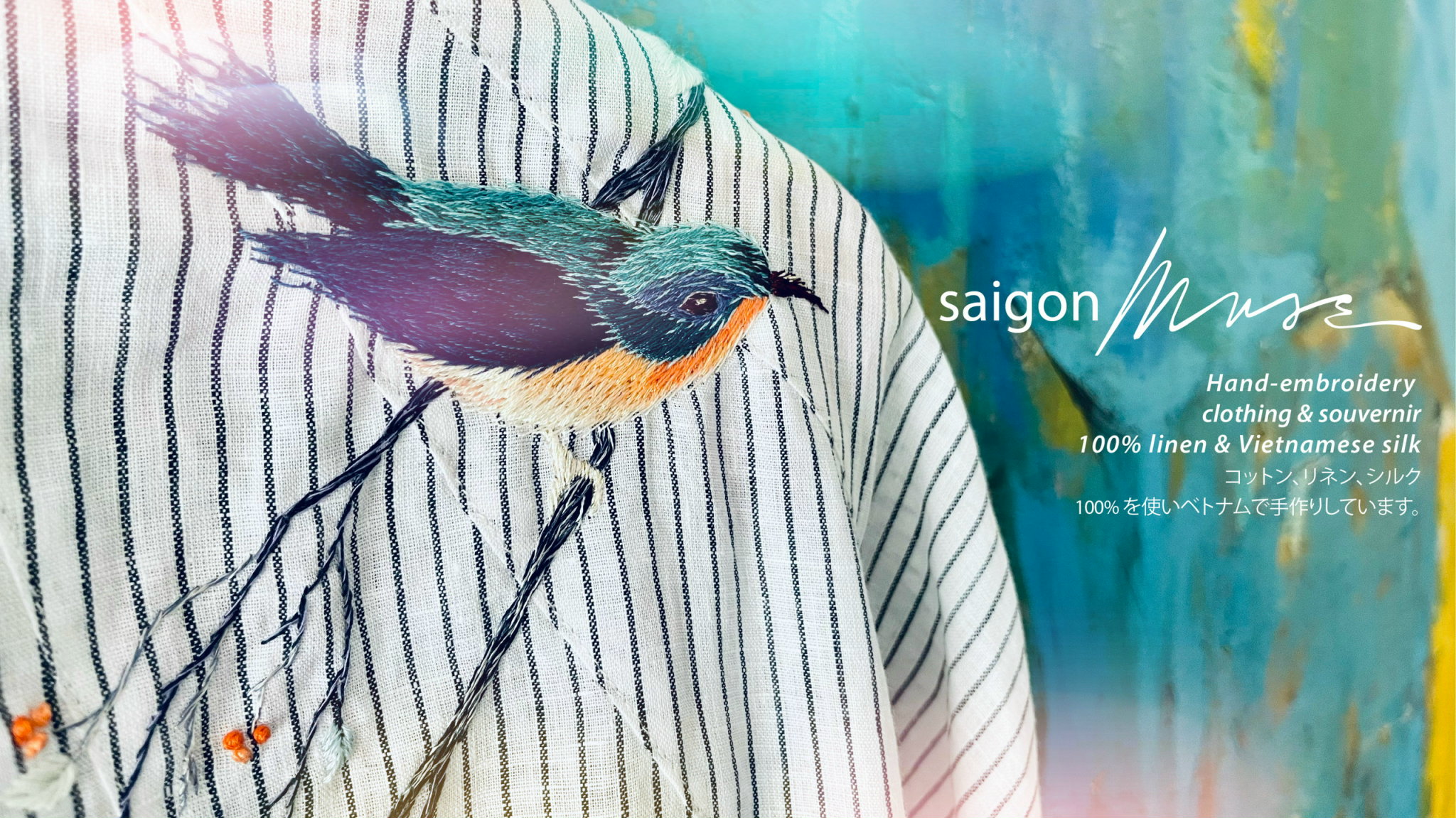

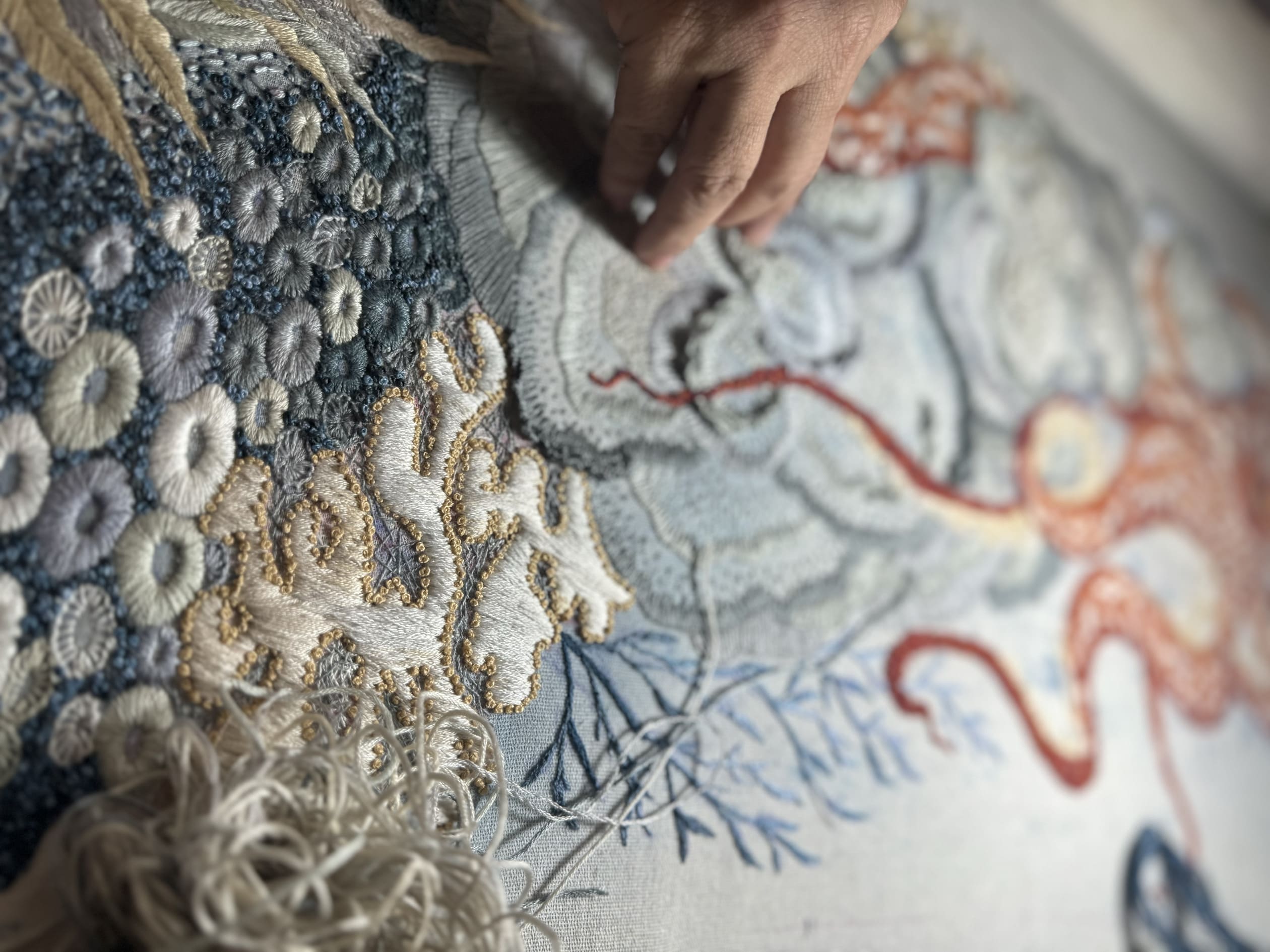
As Saigon grew into a vibrant trading and cultural center, skilled artisans from across Vietnam brought their embroidery traditions to the city. Over time, hand embroidery became part of Saigon’s rich creative landscape, blending regional craftsmanship with new artistic influences.
In Colonial Saigon, embroidery was considered an essential part of “nữ công gia chánh” — the traditional domestic arts that included sewing, knitting, cooking, and other household skills expected of young women. More than a practical craft, embroidery was seen as a reflection of patience, refinement, and creativity.
Today, the craft continues to thrive through contemporary artists and artisans who preserve traditional techniques while reimagining them for a new generation, ensuring that the stories, culture, and heritage of Saigon and Vietnam continue to live on through every stitch.
Embroidery was among the accomplishments traditionally expected of young women.